
 About Wood Stork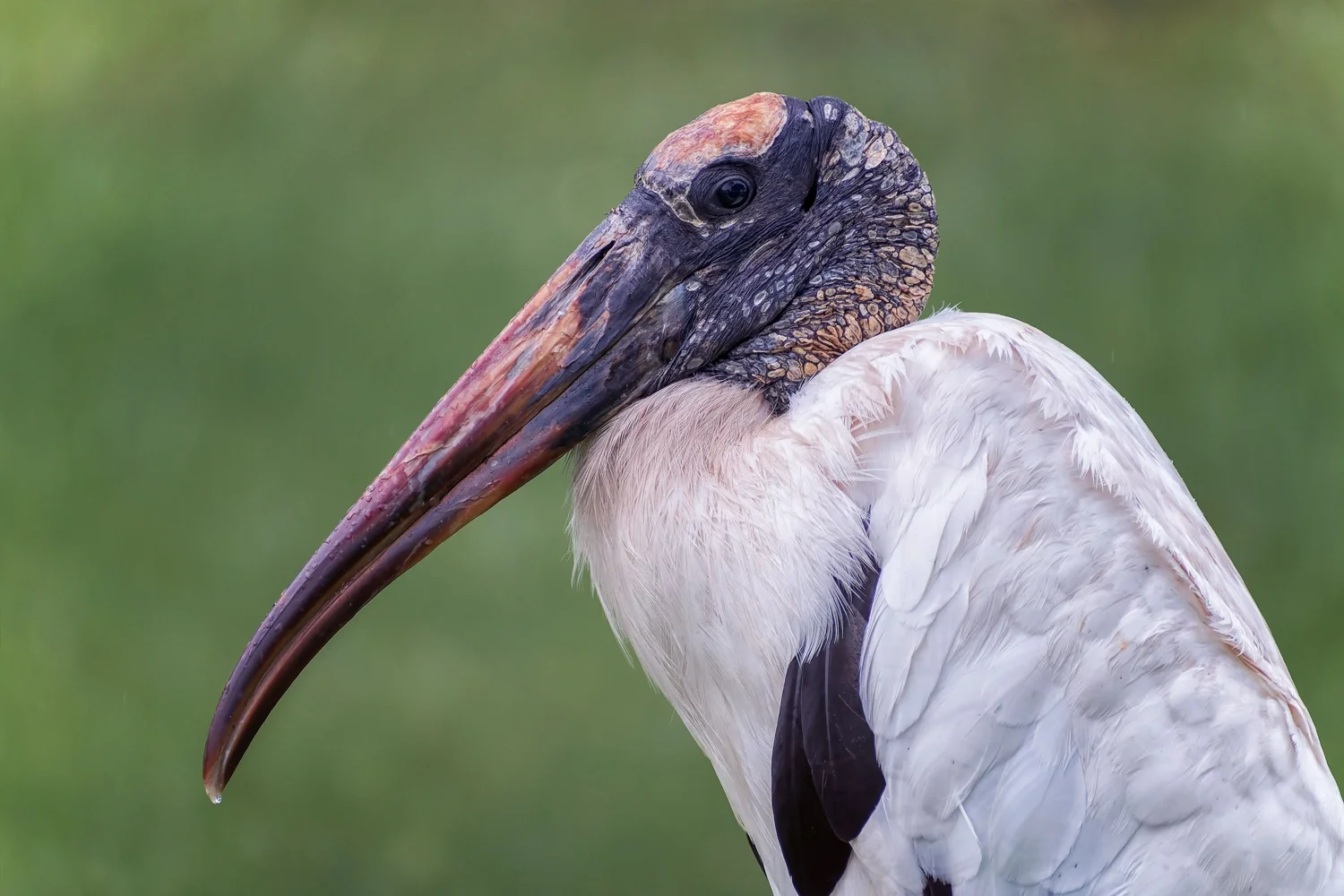
Wood Stork Basic Information
Introduction
The Wood Stork (Mycteria americana) stands as the only member of the stork family that breeds within the United States. Often referred to as the 'wood ibis' due to its distinct, prehistoric appearance, this large wading bird is a striking feature of the southeastern wetlands. Recognized for its bald, scaly head and massive, down-curved bill, the Wood Stork is a specialized predator that relies heavily on the hydrological cycles of its environment. These birds are highly social, often nesting in large colonies within the safety of cypress swamps or mangrove forests. As an indicator species, the presence of the Wood Stork provides critical insight into the overall health of wetland ecosystems. Their survival is intricately tied to the fluctuations of water levels, which concentrate the small fish and aquatic prey they require to survive. Understanding the biology and ecological requirements of the Wood Stork is essential for effective wetland conservation efforts across the Americas.
Physical Appearance
The Wood Stork is an unmistakable, large wading bird, typically measuring between 85 and 115 centimeters in height with an impressive wingspan that can reach up to 1.7 meters. Its plumage is predominantly white, which contrasts sharply with its black primary and secondary flight feathers and tail, making it look particularly elegant when in flight. Perhaps the most iconic feature of the adult Wood Stork is its unfeathered, dark gray or black head and neck, which gives the bird a reptilian, prehistoric aesthetic. This adaptation is likely an evolutionary trait to keep the head clean while feeding in muddy, shallow waters. Their bill is thick, heavy, and slightly curved at the tip, designed specifically for tactile hunting. Juvenile birds differ significantly, possessing a yellowish bill and some downy feathers on the head, which are gradually lost as they mature into adulthood. Overall, the bird's posture is upright and stoic, characterized by long, stilt-like legs that are well-suited for navigating through swampy terrain.
Habitat
Wood Storks are primarily found in the tropical and subtropical regions of the Americas, ranging from the southeastern United States down through Central and South America. In the United States, they are most notably associated with the wetlands of Florida, Georgia, and South Carolina. They prefer freshwater and estuarine habitats, specifically favoring cypress swamps, mangrove forests, and marshes. A critical component of their habitat selection is the presence of shallow, standing water where they can effectively hunt. They require nesting sites that offer protection from predators, such as islands located in deep swamps or dense thickets of mangroves. Because they are sensitive to environmental changes, the availability of suitable nesting trees and stable hydrological patterns is vital for their continued success in these specific regions.
Diet
The Wood Stork is a specialized carnivore that employs a unique hunting technique known as tactile foraging. Unlike herons or egrets that primarily use sight to capture prey, the Wood Stork feeds by wading through shallow water with its bill held partially open. When the bird detects the movement of prey through sensitive nerve endings in its bill, it snaps it shut with incredible speed. Their diet consists mainly of small fish, such as sunfish and minnows, but they also consume crustaceans, frogs, insects, and occasionally small reptiles or mammals. Successful feeding depends on the water levels dropping enough to concentrate these prey species into smaller pools, making them easier to catch during the demanding breeding season.
Breeding and Nesting
Breeding for the Wood Stork is a communal affair, occurring in large, dense colonies known as rookeries. These sites are frequently located in tall cypress trees or mangroves surrounded by water, which serves as a natural barrier against terrestrial predators like raccoons. The courtship process involves elaborate displays, including bill clattering and neck arching. Both parents participate in the construction of the large, stick-based nests, which are often reused over multiple seasons. The female typically lays a clutch of three to four eggs, which are incubated by both parents for approximately 30 days. Once the chicks hatch, both adults work tirelessly to regurgitate food for the growing brood. The survival of the nestlings is highly dependent on the stability of local water conditions, which dictate the availability of food for the parents to bring back to the colony.
Behavior
Wood Storks are known for their highly social and colonial nature, often gathering in large groups to feed and nest. They are masters of soaring, frequently utilizing thermal updrafts to travel long distances between their nesting grounds and feeding areas with minimal energy expenditure. While they are generally quiet birds, they do produce low, croaking sounds, particularly during the nesting phase. When threatened or during territorial disputes, they may clatter their bills. They are also known to exhibit 'wing-basking' behavior, where they spread their wings to absorb heat from the sun. This social structure and their reliance on soaring make them a fascinating subject for behavioral study in the wild.
Conservation Status
The Wood Stork has faced significant population declines in the past due to the loss and degradation of wetland habitats. In the United States, they were previously listed as endangered, though their status has been upgraded to threatened due to successful recovery efforts and improved water management practices. Conservationists focus on protecting nesting colonies and restoring the natural water flow in ecosystems like the Everglades. Continued monitoring and habitat protection are crucial to ensure that these birds do not face further decline as a result of ongoing climate change and human-led development.
Interesting Facts
- Wood Storks are the only stork species that breeds in the United States.
- They hunt using 'tactile foraging,' snapping their bills shut in milliseconds when they feel prey.
- Their bald heads help them keep clean while feeding in messy, muddy wetland environments.
- They are expert soarers, capable of traveling over 80 miles in a single day to find food.
- A group of storks is collectively known as a 'mustering' or a 'phalanx.'
- The Wood Stork is considered an 'indicator species,' meaning its health reflects the state of the entire ecosystem.
Tips for Birdwatchers
If you are planning to go birdwatching for the Wood Stork, the best time to visit is during the nesting season, which typically runs from late winter through spring. Look for rookeries in protected wetlands, and always keep a respectful distance to avoid disturbing the birds, especially when they are tending to their chicks. Using high-quality binoculars or a spotting scope will allow you to observe their unique feeding behavior without encroaching on their space. Early morning or late afternoon are the best times to see them active. Check local wildlife refuge websites for recent sightings and visit during periods of low water levels, as these conditions attract the highest concentrations of foraging storks.
Conclusion
The Wood Stork, with its distinct appearance and critical role in the ecosystem, is a true icon of the American wetlands. As we have explored, their survival is intrinsically linked to the delicate balance of our natural water systems. From their specialized tactile feeding methods to their complex, communal nesting behaviors, these birds offer a unique window into the evolutionary adaptations required to survive in changing environments. While their conservation status has improved, the future of the Wood Stork remains tied to our ability to protect and restore the wetlands they call home. By supporting conservation initiatives and practicing responsible birdwatching, we can ensure that these remarkable 'wood ibises' continue to soar through our skies for generations to come. Whether you are an experienced ornithologist or a casual nature enthusiast, taking the time to observe and appreciate the Wood Stork is a rewarding experience that highlights the importance of preserving biodiversity in our fragile aquatic ecosystems.
Distribution Map & Range
The distribution map for this species will be available soon.
We are working with our official data partners to update this information.
